

The alder – the pioneer among trees
The alder (Alnus), especially the black alder (Alnus glutinosa), is a native tree found in many parts of Europe. It prefers to grow in damp and marshy areas such as along rivers and lakes, which is why it is often called a "water tree" or pioneer species. In Central Europe, the green alder, grey alder, and black alder are native. However, there are approximately 41 alder species worldwide – these are found exclusively in the Northern Hemisphere.
Alder wood (in Europe predominantly that of the black alder) is often underestimated because it has some special properties.


The alder tree – characteristics & growth
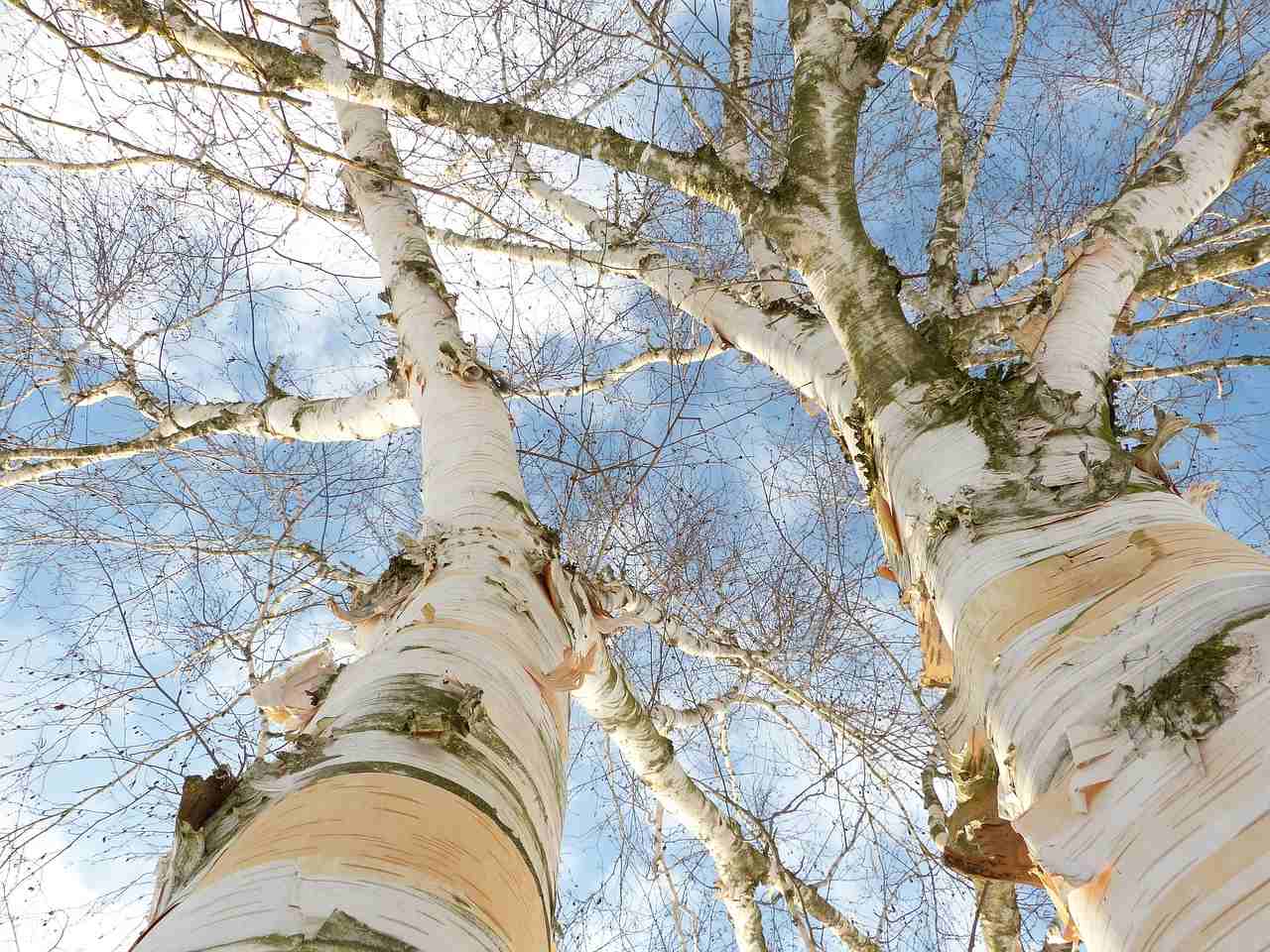
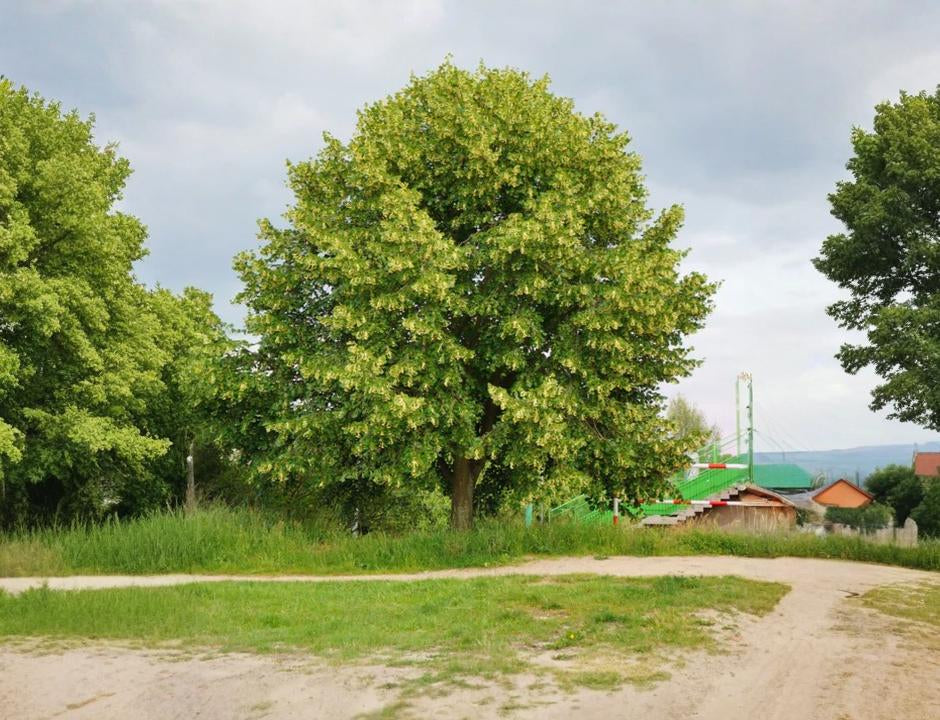
Alders are deciduous trees belonging to the birch family (Betulaceae). Black alders can grow up to 30 meters tall and have a relatively narrow, conical crown. Their round, serrated leaves are particularly striking and slightly sticky on the underside – hence the name "glutinosa" (Latin for "sticky"). Green alders, on the other hand, reach 15 meters in height, while grey alders grow to a shrub-like height of only 6 meters. Despite their rapid growth, alders can live up to 120 years.
Alders are pioneer trees, meaning they are often the first to colonize fallow land or damp, challenging sites. An interesting characteristic of the alder is its symbiotic relationship with nitrogen-fixing bacteria that live in the tree's roots. This improves soil quality and promotes the growth of other plants in its vicinity.


Properties of alder wood
Although alder wood is light and soft, when used underwater it exhibits similar stability to oak. Otherwise, alder wood is not very durable and not suitable for outdoor use. Freshly cut wood has a light yellowish to whitish color, which, however, darkens rapidly upon contact with air, taking on a characteristic reddish hue. This reddish color makes alder wood particularly popular for furniture and decorative objects.
Another remarkable characteristic of alder wood is its even grain without prominent growth rings or knots. This gives the wood an elegant appearance, making it well-suited for fine turned alder items such as bowls , writing instruments , etc. The wood's low density makes it easy to work, which is why it is particularly popular with carpenters, turners, carvers, and other craftspeople.
Use of alder wood
Alder wood is used in various areas:
- Furniture making: Due to its fine grain and attractive reddish color, alder wood is frequently used for the production of furniture, especially solid wood furniture. It is ideally suited for cabinets, tables, and chairs.
- Interior finishing: Alder wood is also a popular choice for interior finishing. It is well-suited for wall paneling, baseboards, and window frames.
- Musical instruments: Thanks to its tonal properties, alder wood is also used in the manufacture of musical instruments. It is particularly valued for its resonance and warm sound in electric guitars and drum shells.
- Alder wood turning , carvings & decorative items: Alder wood is easy to carve and work, which is why it is often used for decorative woodwork and sculptures.
- firewood


Alder wood in hydraulic engineering
A special characteristic of alder wood is its resistance to moisture. Unlike many other types of wood, alder wood is not quickly destroyed in water, but remains stable for a long time. For this reason, it was frequently used in hydraulic engineering in the past, for example for bridge pilings or the foundations of buildings that stood in water. In Venice, for instance, many historic buildings rest on alder wood pilings.
Availability of alder wood
The alder is a native tree species widespread in many parts of Europe. It grows relatively quickly (up to 1 meter per year) and colonizes even difficult or nutrient-poor sites. This makes it a rapidly renewable resource. In forests, alder is often planted in mixed stands to promote soil biodiversity.
My conclusion on alder & alder wood
The alder is not only an ecologically valuable tree, but also an excellent source of timber. Alder wood is characterized by its pleasing appearance, ease of working, and versatility. Whether in furniture making, musical instrument making, or hydraulic engineering – alder wood impresses with its properties and its elegant, reddish hue.
This makes alder and alder wood an important component in many craft and industrial sectors.
Alder wood is a great raw material. Among other things, I use it to make wooden products such as:
- Various wooden writing instruments, such as wooden fountain pens , wooden ballpoint pens or letter openers
- Wooden wall clocks made of alder wood
- Wooden spice mills made of alder
If you're curious, check out all the items in my online shop. Products made from alder wood to.
Image gallery - Wood products made from alder wood




Leave a comment
This site is protected by hCaptcha and the hCaptcha Privacy Policy and Terms of Service apply.